
Faculty

Dr. Yates has over 15 years of experience in fibroblast, chemokine, and extracellular matrix biology and the pathogenesis of organ fibrosis. She has a continuous track record of innovative research and therapeutic development in the field of tissue repair. Her research focuses are on understanding immune cell and stromal cell mediated interactions that contribute to the pathogenesis of fibrotic diseases such as systemic sclerosis (Scleroderma) and IPF.
*Currently accepting graduate students

The Yechoor Lab focuses on developing targeted therapies that target beta cell mass and function in the pathogenesis of diabetes. Currently funded projects include 1) the role of the circadian clock in beta cell metabolic flexibility, 2) Interventions and mechanisms addressing the role of circadian clock disruptions in diabetes, atherovascular, and Alzheimer's' diseases 3) the role of Tead1 and the Hippo pathway in the transcriptional regulation of quiescence and proliferation of beta cells. We are also interested in how these pathways affect obesity, adipose biology, and cardiac biology.

The Yien lab is interested in the interplay between iron metabolism and development. Using an innovative multidisciplinary approach using multiple model systems (mouse, zebrafish, yeast and cell biology), the lab is identifying tissue specific roles of mitochondrial homeostasis proteins that couple iron metabolism with the specific needs of cells, with an eye towards identifying pathological and therapeutic mechanisms of iron dysregulation in specific tissues. Secondly, the lab is working to interrogate the mechanisms by which iron functions within developmental signalling pathways and cell fate. Lastly, the lab is actively attempting to identify hematopoietic and iron metabolism adaptations in the pregnant female's bone marrow (using mouse models) as they progress through pregnancy.
*Currently accepting new students
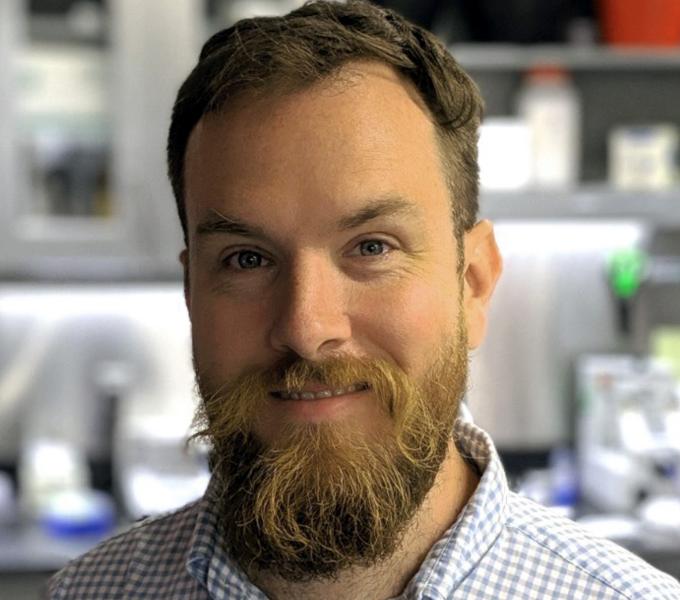
The goal of The Yttri Lab is to establish how neural circuits lead to these action selection decisions. The vital ability to make appropriate actions requires the coordination of motor, reward, and cognitive brain systems.
*Currently accepting new students