
Faculty
The Van Houten Lab studies the repair of DNA damage in nuclear and mitochondrial genomes; 2) Structure and function of nucleotide excision repair proteins.
*Currently accepting Graduate Students

The Van Tyne Lab studies how bacteria evolve to become superbugs, using comparative genomics and functional analysis. Our research falls into two main areas. First, the lab works to understand how bacteria evolve during human infection to resist antibiotics and host immune defenses. We sequence bacterial strains from human infections and use functional genomics to identify and characterize novel resistance mechanisms. These include the ability of bacteria to resist the host immune system, or to persist in the face of antibiotic pressure. Second, the lab helps develop new approaches to treat resistant bacterial infections more effectively.
*Currently accepting graduate students
The Soft Tissue Biomechanics Lab studies Extracellular Matrix Remodeling, Tissue Engineering, Biomechanics, Computational Modeling
*Currently accepting Graduate Students
The NeuroImaging Lab focuses on neural, vascular and metabolic imaging of normal brain function in vivo with extensions to neurological pathologies, especially Alzheimer’s disease. I use an array of computational and optical methodologies.
*Currently accepting Graduate Students

The Verstynen laboratory research centers on how we plan our actions, how this changes with experience and how the organization of the underlying neural pathways regulates these abilities. Using a combination of psychophysics, computational modeling and multimodal brain imaging (fMRI, diffusion imaging, TMS, etc.), the lab focuses on three main research themes.
- Selecting or stopping actions: How do we quickly convert sensory cues into motor plans? How do we stop a planned action? How do these abilities break down in different populations?
- Dynamics of skill learning: Why are some skills learned quickly while others require days or weeks of practice? What are the computational and neural mechanisms involved?
- Structure-function associations: Does the topography (i.e., “wiring diagramâ€) of a neural pathway reveal aspects of its computations? What features predict individual differences in the organization or integrity of these connections?
*Currently accepting students
The Vignali Lab studies inhibitory mechanisms, including inhibitory receptors & regulatory T cells, that limit anti-tumor immunity in cancer patients.
*Currently accepting Graduate Students
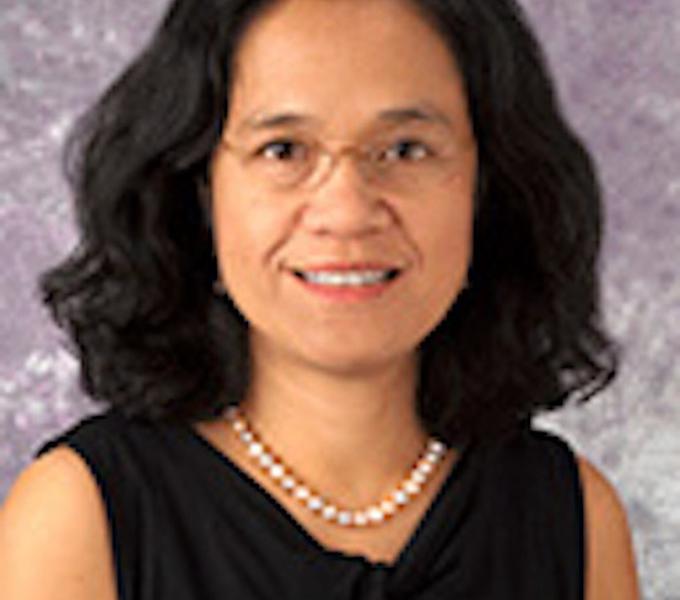
Dr. Villanueva's research in the Imaging Therapeutics Lab focuses on the development of medical diagnostic and therapeutic strategies based on ultrasound and ultrasound contrast agents (gas-filled microspheres, or microbubbles).
*Currently accepting Graduate Students

The Vis Lab studies computer-aided diagnosis and patient-specific prediction, genomic and precision medicine, clinical decision support, research data warehouse
*Currently accepting Graduate Students
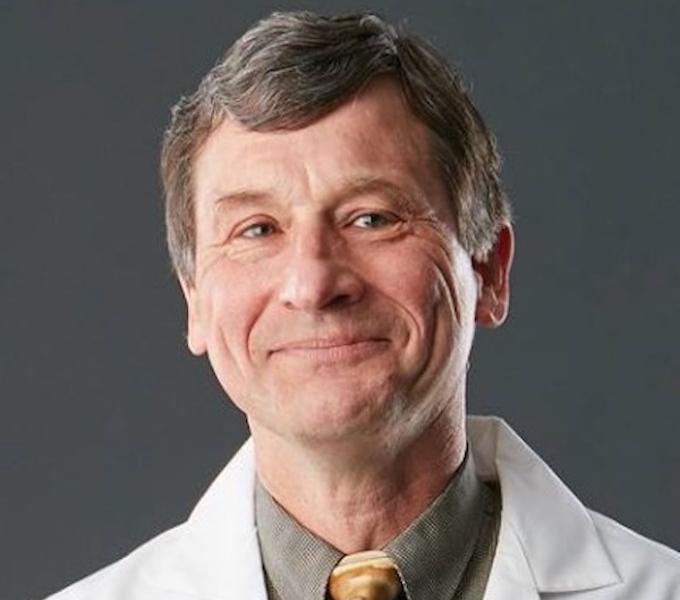
The Vockley Lab focuses on mitochondrial energy metabolism, branched chain amino acid metabolism, inborn errors of metabolism, and development of novel therapies for inborn errors of metabolism.
*Currently accepting new students