
Faculty

Dr. Valerian E. Kagan is one of the world’s recognized leaders and one of the most prominent authorities in the field of Free Radical Biology and Medicine. The research performed by Dr. Kagan is a breakthrough in the field as it uncovers specific pathways through which enzymes of oxidative metabolism participate in the production of specific oxygenated lipid molecules that act as signals triggering cell death program as well as mechanisms involved in clearance of damaged or dead cells. Understanding these key signaling pathways is of prime importance for obtaining new insights into mechanisms of radiation injury, inflammation, and immune responses.
*Currently accepting graduate students
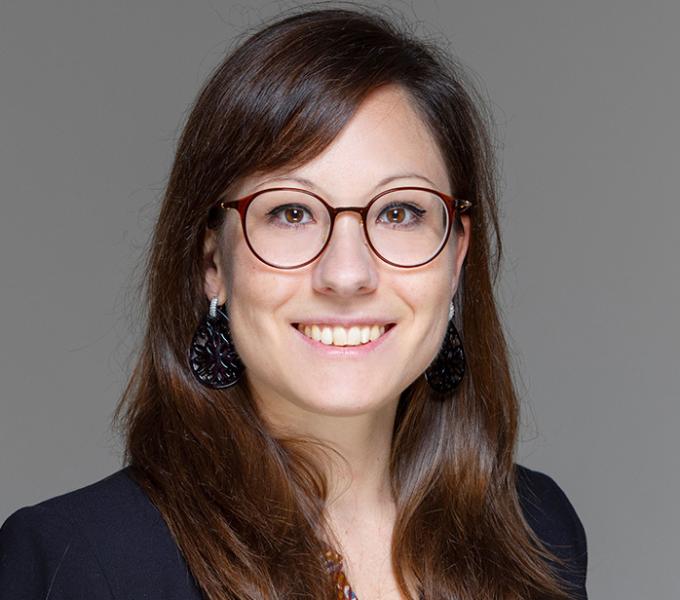
The Biophotonic Lab’s research is focused on developing noninvasive optical imaging methods for disease detection and/or treatment monitoring, with an emphasis on diffuse optical imaging.
*Currently accepting Graduate Students
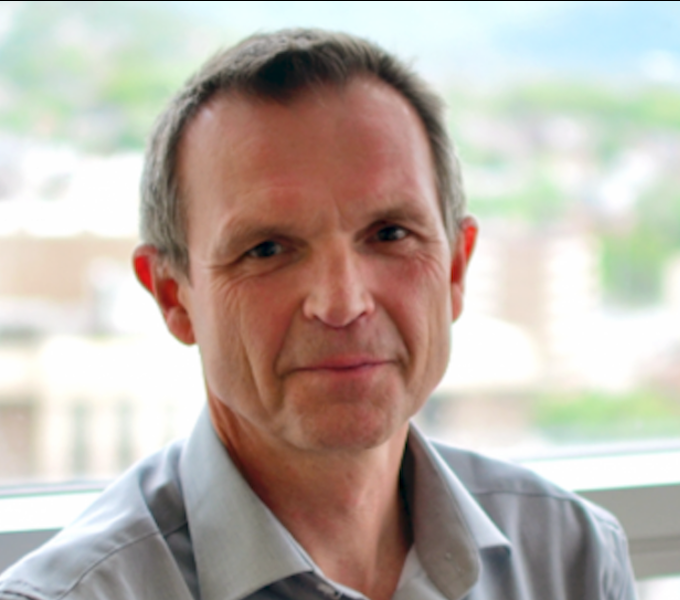
The Kandler Lab's research is on plasticity of neuronal circuits during development and in pathology, focusing on the central auditory system
*Currently accepting Graduate Students
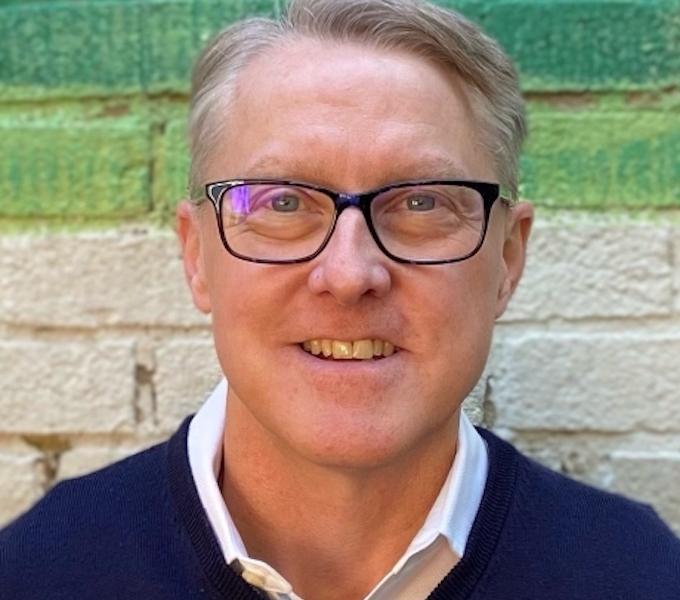
Signal Transduction.
The role of the Akt kinase in NF-kB and T cell activation.
Role of TIM proteins in T cell activation.
*Currently accepting Graduate Students
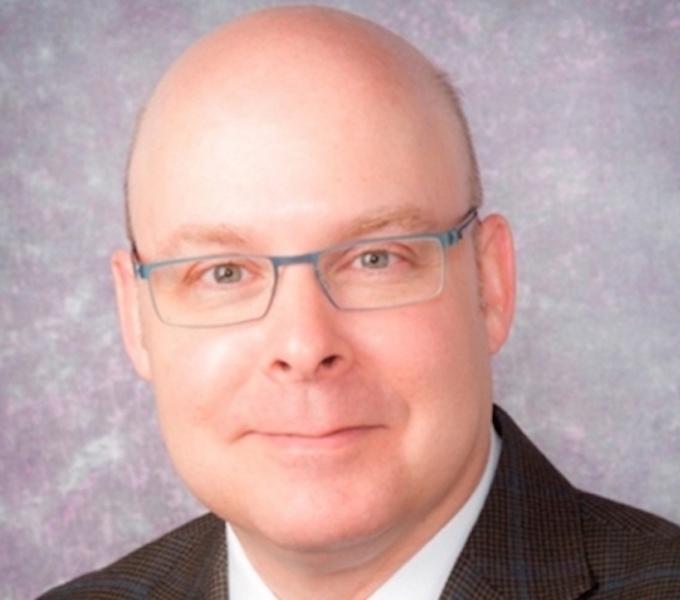
The Kaplan Lab's research goal is to understand how skin resident immune cells (e.g. dendritic cells, T cells) interact with specific pathogens
*Currently accepting Graduate Students
Broadly speaking, my work focuses on:
- studying the psychological/social impact of fictional narratives, games, and computer-mediated interactions
- uncovering and empirically verifying user-specific, design-specific, and situational variables that increase that impact
- extrapolating techniques and best practices for the creation of stories, games, and new technologies as “interventions” for social change
*Currently accepting Graduate Students
My research interests are in nano-optics and nano-electronics: materials & devices; hierarchical integration of nanoscale structures into systems for multifunctional operations.
Develop and translate multi-modal ultrasound imaging technologies that are based on a fundamental understanding of how sound and light interact with soft tissues, and are capable of assessing their mechanical, compositional, and biological characteristics.
*Currently accepting Graduate Students

The Kingsford Lab’s research is focused on developing new, efficient algorithms for extracting knowledge from large biological data sets, particularly high-throughput DNA and RNA sequencing data. He has worked recently on algorithms for accurately quantifying gene expression, identifying compact regions of chromatin, and large-scale sequence search, among other topics. His group typically explores solutions using optimization, graph algorithms, and machine learning.
*Currently accepting graduate students
His research on crowd-augmented cognition looks at how we can augment the human intellect using crowds and computation.
*Currently accepting Graduate Students
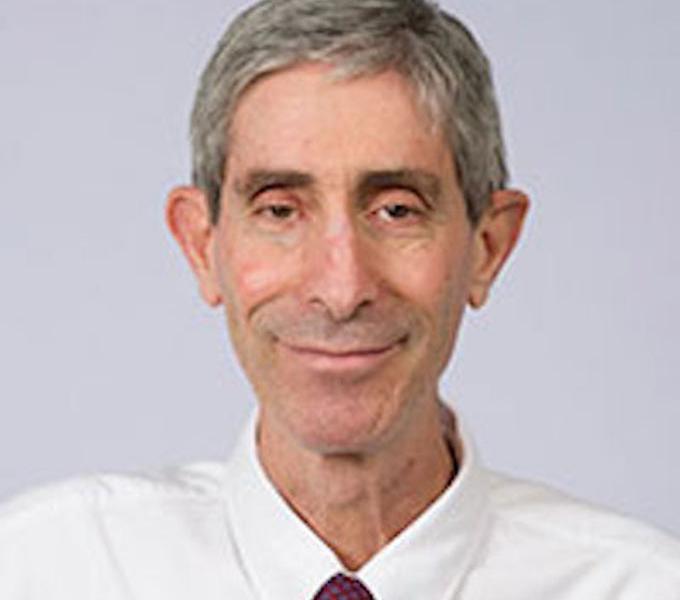
Cellular, structural and molecular studies of epithelial ion channels
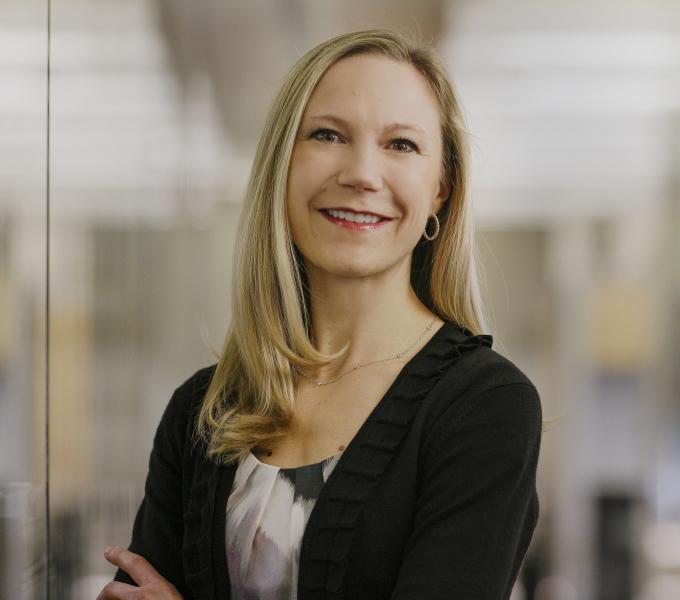
The Kliment Laboratory is interested in identifying new molecular pathways in epithelial biology in the pathogenesis of tissue remodeling in chronic obstructive lung disease (COPD) and pulmonary fibrosis to improve therapeutic options for patients. Our lab specifically studies the role of adenine nucleotide translocase (a canonical mitochondrial ADP/ATP transporter) in the airway and alveolar epithelium of the lung in the context of cigarette smoking-related lung disease and lung fibrosis. We want to better understand how in health and disease ANT regulates epithelial function through cell metabolism and cellular senescence, as well as, airway epithelial homeostasis through surface hydration and the action of tiny motile cilia in the airway. We utilize a repertoire of relevant murine models of injury, molecular genetic approaches, in vitro biochemical assays, and human bio-samples to examine epithelial cell homeostasis in the lung.
*Currently accepting Graduate Students

Dr. Koes's research is to develop novel computational algorithms and build full-scale systems to support rapid and inexpensive drug discovery while simultaneously applying these methods to develop novel therapeutics.
*Currently accepting graduate students
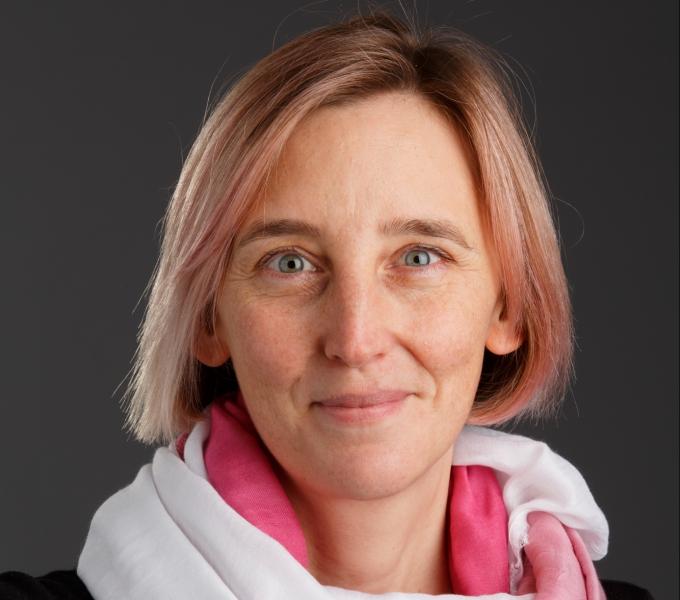
Our research focuses on deciphering mechanisms involved in lung repair and regeneration, with the aim to identify novel therapeutic targets relevant for age-related chronic lung diseases, such as idiopathic pulmonary fibrosis (IPF) and chronic obstructive pulmonary disease (COPD). Our translational research program focuses on the comprehensive characterization of primary lung epithelial (stem) cells from experimental models and human tissue samples from patients with chronic lung disease. we aim to identify and investigate target signaling pathways that impact cellular mechanisms we identified the developmental WNT signaling pathway as a potent contributor to impaired lung repair and epithelial cell reprogramming, which is amenable to therapy and have further characterized features of epithelial cell reprogramming, such as cellular senescence. We further pioneered and apply patient-derived 3D Lung Tissue Cultures that allow to further validate and test potential novel drugs in an individualized fashion.
*Accepting new students

The goal of The Kuang Lab's research is to identify the molecular basis of interactions between the microbiota and the circadian rhythms in mammalian metabolism and immunity. The laboratory uses various techniques including genomics, gnotobiotics, laser capture microscopy to delve deeper into the transcriptional and epigenetic mechanisms that regulate host-microbial interactions. Dr. Kuang anticipates that these efforts will lead to important new insight into how intestinal microbes regulate host physiological functions, and identify new avenues for developing therapeutics against metabolic and immunological diseases of the intestine.
*Currently accepting Graduate Students