
Faculty
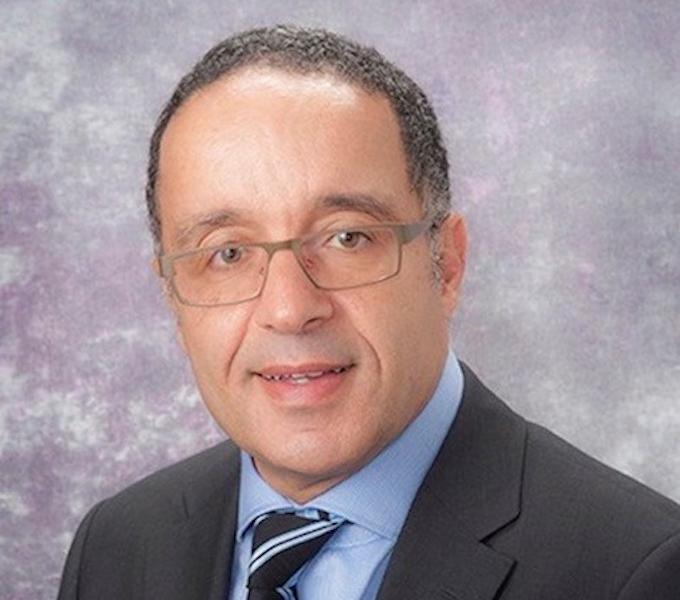
Hassane Zarour's research focuses on identifying MHC class II tumor epitopes from cancer-germline antigens in melanomas, analyzing CD4+ T cell responses, and studying immune responses in melanoma patients receiving peptide- and protein-based vaccines with CpG oligonucleotides.
*Currently accepting Graduate Students
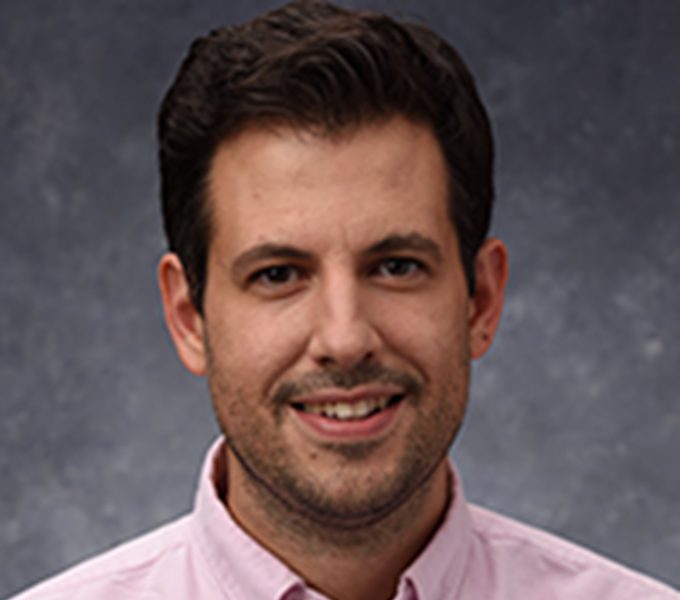
We are employing a quantitative approach using microfluidics, systems biology modeling and in vivo systems to investigate how microenvironmental signals (paracrine, hypoxia, mechanical forces and ECM composition) impact cell growth, migration and therapeutic response in the context of cancer (ovarian and breast) and remodeling tissues
*Currently accepting Graduate Students
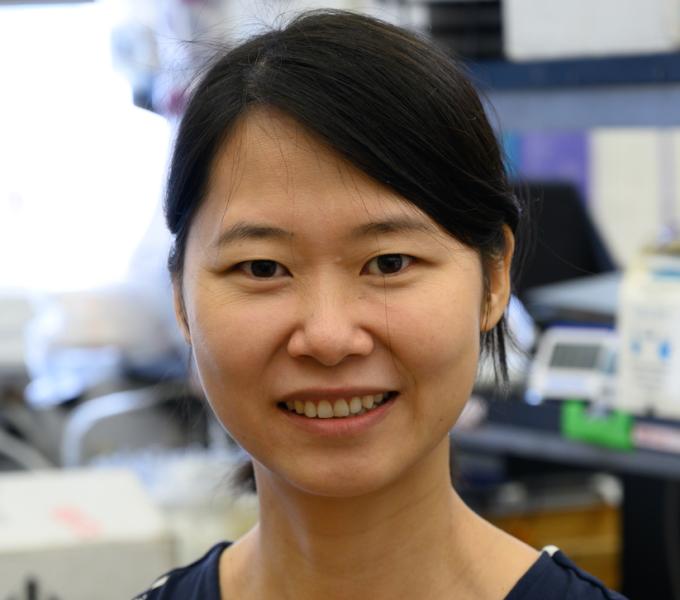
The Zhang Lab studies phase transition process of liquid-liquid de-mixing organizes proteins and RNAs into liquid compartments in cells. We study how this process promotes cellular functions in healthy cells and how mis-regulation of it leads to cancer.
*Currently accepting Graduate Students
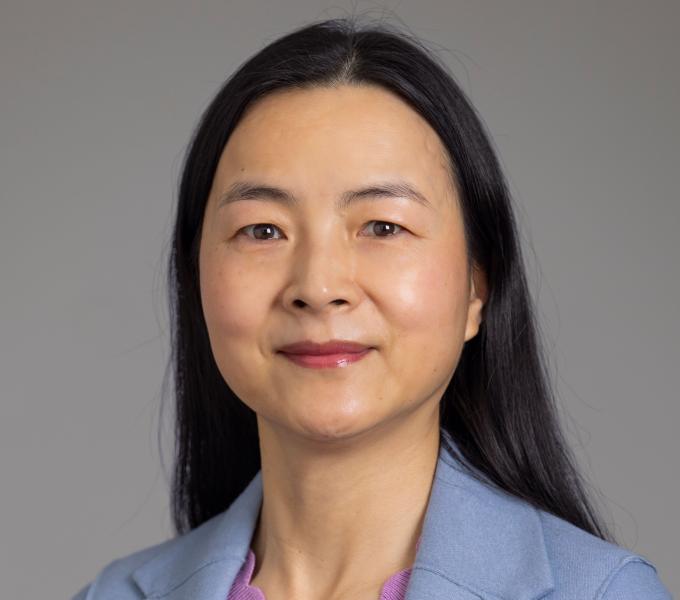
The Zhang Lab investigates the immunopathogenesis of respiratory viruses-induced lung injury and repair, with a particular focus on the immunomodulation of pulmonary endothelial cells during innate and adaptive immune response. We aim to develop novel therapies to reduce inflammation, enhance tissue repair, and decrease patient mortality.
*Currently accepting new students

The Zhao Biophotonics Lab is an interdisciplinary research group that combines diverse bioengineering and chemical approaches to develop novel techniques for interrogation of biological and pathological processes in cells and tissues.
*Currently accepting Graduate Students

Vocal Communication in a Social World
Vocal communication is fundamental to our daily interactions. It allows us to convey messages, maintain relationships, and coordinate actions. Even the simplest conversations involve rapid exchanges, precise timing, and continual adaptation to social context. These behaviors may appear effortless, but they rely on complex and dynamic neural processes.
The central question of my research is how the brain controls vocal behavior during social interaction—a process that requires a combination of neural functions, such as motor control, auditory processing, social cognition, and executive functions.
Using a non-human primate model—the marmoset monkey—my laboratory investigates the behavioral and neural principles that support flexible, context-dependent vocalizations in naturalistic settings. We employ wireless electrophysiological techniques to record and manipulate neural activity in freely moving and vocalizing marmosets, enabling the study of communication in ethologically relevant social environments. In parallel, we examine how humans control speech during real-time conversations.
In collaboration with clinical teams, we conduct intracranial recordings in neurosurgical patients to investigate the neural dynamics underlying speech production and coordination.
*Currently accepting new students

The Zhu Lab is currently investigating the regulation as well as the physiological/pathological functions of the 12h-clock, taking a combination of computational, biochemical, genetic, cellular, imaging and genomic approaches.
*Currently accepting Graduate Students