
Faculty

The Razani laboratory studies atherosclerotic macrophages, macrophage polarization, foam cell formation, adipose tissue metabolism, adipose tissue macrophages, liver metabolism, the autophagy-lysosome system, lysosomal biogenesis, lysosomal acidification, lysosomal acid lipase and lysosomal lipolysis, selective autophagy (particularly p62/SQSTM1), lipophagy, aggrephagy, mitophagy, mTOR signaling, differing roles of mTORC1 and mTORC2, nanoparticle delivery systems, and iPSC (induced pluripotent stem cells).
*Currently accepting graduate students

Research in The Ren Lab investigates and engineers two fundamental interactions during the biofabrication of functional tissues: (1) the interaction between participating cells; and (2) the interaction between cells and the extracellular matrix (ECM). These mechanistic investigations are being performed in the context of cell and tissue engineering, with a direct impact on facilitating organ bioengineering in vitro and injury repair in vivo. To recapitulate cellular interactions during embryogenesis and tissue regeneration, strategies are being developed for multi-lineage co-induction from human pluripotent stem cells. This enables the investigation of cross-germ-layer interactions between the co-developing heart and lung, and between endodermal organ parenchyma and organ-specific vasculature. To engineer cell-ECM interactions, a chemoselective strategy was developed to functionalize native ECM biomaterials to modulate regeneration and host response. This technical platform is being further extended for tracking ECM dynamics during tissue regeneration and during the progression of fibrosis and cancer.

The Rizzo Lab focuses on investigating the mechanisms that drive divergence from healthy aging towards inception and progression of Alzheimer’s disease, in order to identify novel pathways and targets that may enable the discovery of new therapeutic agents to treat and prevent disease. Dr. Rizzo is a behavior pharmacologist by training and holds a BS in Animal Sciences from Rutgers University and a PhD in Neuroscience from University College London.

With over 35 years of experience in pharmaceutical product development, including several years in the pharmaceutical industry, Dr. Rohan's current research focuses on the areas of women’s health, infectious diseases, and global health needs. Her laboratory is dedicated to "transforming global and women’s health through pharmaceutical innovation," and her team has successfully developed over 50 pharmaceutical products, with 13 of them translated from the bench to the clinic.
*Currently accepting graduate students
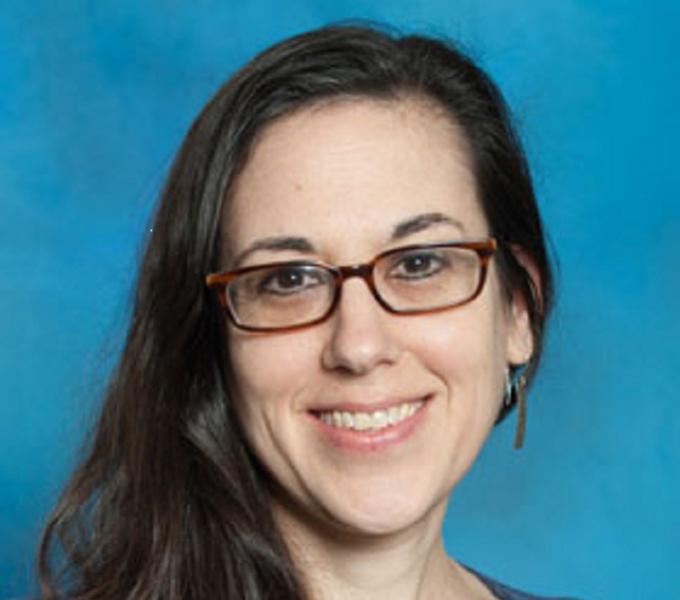
Vascular development, hereditary hemorrhagic telangiectasia, zebrafish, BMP signaling, mechanotransduction.
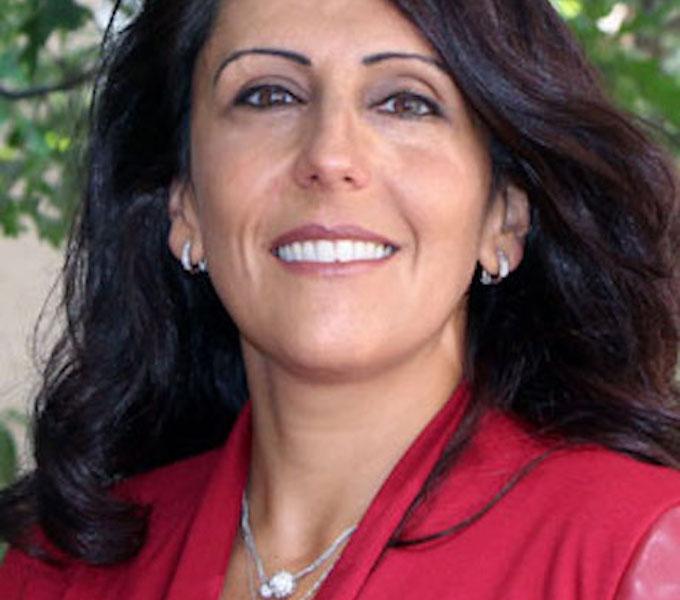
The eBrain Lab studies brain adaptation, neuroepidemiological approaches to the causes, biomarkers and consequences of brain aging, advanced data reduction analyses
*Currently accepting Graduate Students

Dr. Rosland research focuses on innovations in care for chronic health conditions and studies health system efforts to improve primary care delivery. Dr. Rosland's work draws on her expertise in health intervention design and evaluation, health behavior change, social and family support, primary care for complex patients, and Participatory Research.
*Currently accepting graduate students
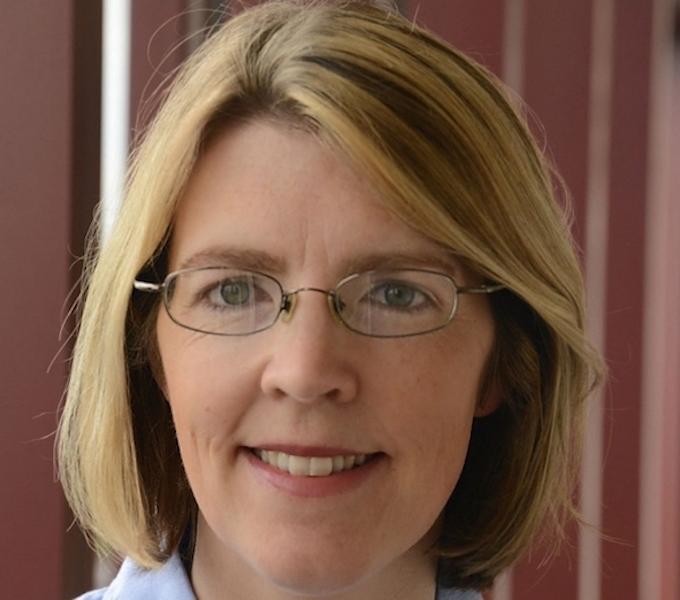
The Ross Lab studies the functional organization of spinal microcircuits using molecular genetic, electrophysiological, optogenetic & behavioral approaches
*Currently accepting Graduate Students

Dr Rosso leads the Brain, Environment, Aging, and Mobility (BEAM) lab. The laboratory's research aims to improve function of older adults, reducing disability and helping individuals stay independent in their communities.
*Currently accepting graduate students
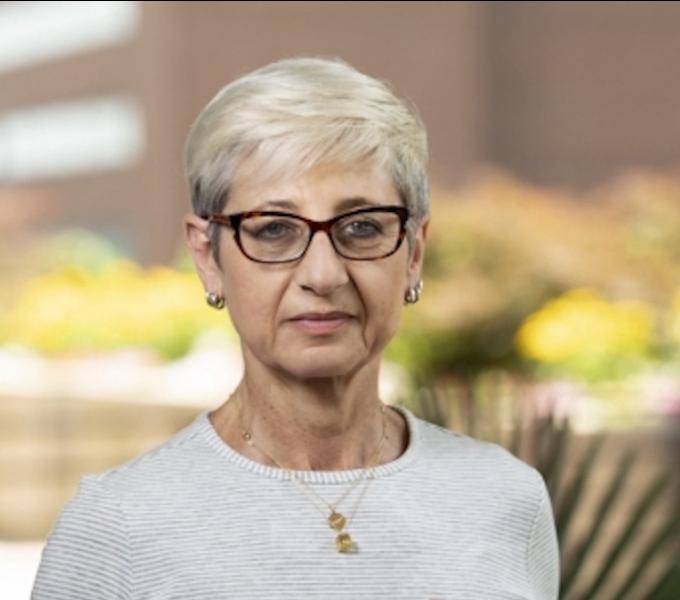
The Rubio Lab focuses on investigating neuron-glia communication in the normal hearing and in the hearing impaired
*Currently accepting Graduate Students

The goal of The Runyan Lab is to understand the circuit mechanisms that control the flow of information between brain regions. How do networks filter out irrelevant information? How does incoming sensory information interact with the animal’s internal brain state? To answer these and related questions, the Runyan lab uses two-photon imaging, genetic labeling, and optogenetic manipulation of specific cell classes in mice performing perceptual tasks.
*Currently accepting graduate students