
Faculty

Molecular mechanisms underlying various neurological disorders using human genetic approaches as well as research on animal and cell culture models
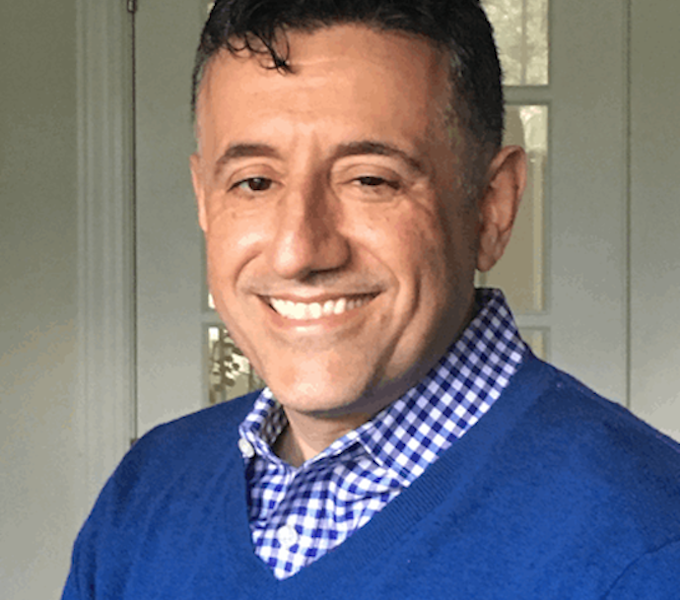
The Pagano Lab studies NADPH oxidase (Nox) & reactive oxygen species in signaling, vascular dysfunction and cardiopulmonary disease; Nox drug therapy development
*Currently accepting Graduate Students

The Palladino lab uses Drosophila and human cell lines as model systems to elucidate the cellular and molecular mechanisms of neurodegenerative diseases. The Palladino lab has identified numerous novel neurodegenerative mutants using forward genetics and developed these as unique disease models. The research program forces on metabolic disease and the neuromuscular dysfunction they produce with three main goals: 1) discovering and characterizing novel pathways that cause disease, 2) understanding the physiological, cellular, and molecular dysfunction that causes disease in vivo, and 3) using our animal system in pharmacological screens to identify neuroprotective compounds for the treatment of human diseases.
*Currently accepting graduate students

The Pandey laboratory is to elucidate the molecular mechanisms of amyotrophic lateral sclerosis (ALS), also known as Lou Gehrig’s disease, and other related motor neurons diseases. Recently, several RNA-binding proteins have been found to be mutated in both sporadic and familial forms of ALS. Disease causing mutations in these RNA binding proteins suggest that underlying defects in RNA metabolism might play an important role in causing motor neuron degeneration in ALS. The Pandey lab is looking for genetic and small molecule modifiers of ALS in fly and mammalian neuronal models. We expect that these modifiers will not only allow us to understand molecular basis of ALS but also help in developing therapeutic interventions for ALS.
*Currently accepting graduate students

The Parthasarathy lab studies how the peripheral auditory system and the central auditory pathway interact in various forms of hearing loss. The research program integrates study of human clinical populations and animal models. In humans, we combine perceptual tasks with measures of listening effort (pupillometry) to assess behavioral and cognitive aspects of speech comprehension. In animal models we use neuronal recordings from various stages of the auditory pathway combined with immunohistology to inform mechanistic hypotheses. The overall goal is to inform diagnosis and track the benefits of interventional therapies in clinical populations with hearing loss by utilizing insights obtained from animal models with similar forms of pathology.
*Currently accepting graduate students

Tharick Pascoal, MD, PhD, is a neurologist and associate professor of Neurology and Psychiatry at the University of Pittsburgh School of Medicine. The Pascoal Lab’s clinical and research interests include cognitive disorders of multiple etiologies, including Alzheimer’s disease and other dementias.
*Currently accepting new students
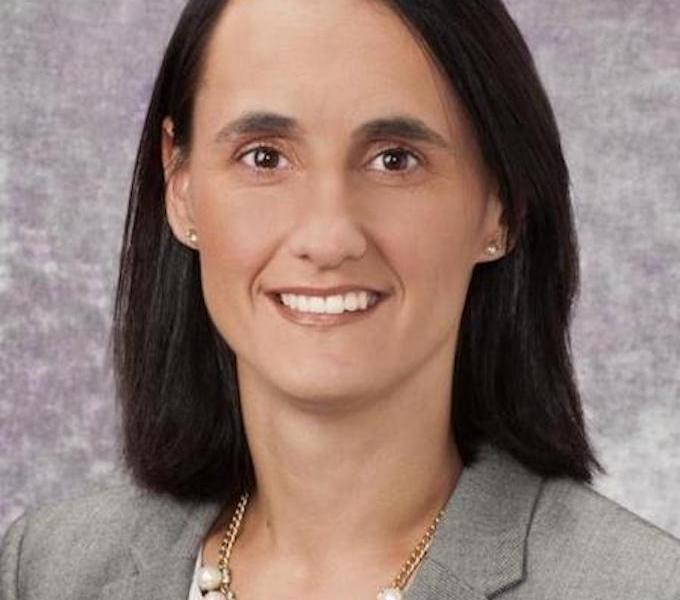
The Translational Neuropsychopharmacology & Neuroimaging Lab's main focus in research is to examine individual differences in mechanisms of antidepressant treatment response in order to identify new targets for therapeutic interventions.
*Currently accepting Graduate Students

His research integrates data visualization and machine learning techniques to create visual interactive systems to help users make sense out of big data. Lately, his research focuses on human-centered data science and extracting insights from clinical data to support data-driven medicine.
*Currently accepting Graduate Students

What features do the genes and the genomes of vocal learning species have in common relative to those without the ability?

The Phillippi Lab studies how cell-matrix signaling influences microvascular dysfunction to uncover new mechanisms of cardiopulmonary diseases, organ/tissue failure, and preserving donor organ function. A long-term goal is to develop less invasive treatments options for cardiopulmonary diseases such as aortic aneurysm, heart failure and lung failure.
*Currently accepting graduate students

The Phillips Lab works on the identification of neural correlates that underlie the symptoms of specific abnormalities in emotion processing in people with mood disorders
*Currently accepting Graduate Students