
Faculty

The Ma lab primarily focuses on developing AI/ML methods to study the structure and function of the human genome and cellular organization, with significant implications for health and disease. Recent interests include nuclear organization, single-cell epigenomics, spatial omics, and complex molecular interactions. These goals are often pursued through the development of probabilistic models and advanced deep learning techniques, particularly graph-based representation learning. The group is also actively exploring large language models to uncover gene regulatory mechanisms and the intricate connections among cellular components at various scales in complex tissues. The lab leads an NIH Center in the 4D Nucleome (4DN) Program and is involved in the NIH SenNet Consortium and the IGVF Consortium.
*Currently accepting graduate students

The Magnani Lab focuses on social determinants of health and cardiovascular disease and outcomes. There is tremendous evidence that social factors significantly influence health care access and outcomes. Identifying social determinants of health can provide avenues for community-based interventions and insight regarding the etiologies for disparities. To this end, our lab's principal research agenda consists in (1) identification of the intersection of social determinants (household income and composition; educational attainment; health literacy) with health-related risk factors and outcomes; and (2) development of strategic interventions to reduce or address cardiovascular risk in disadvantaged individuals.
*Currently accepting graduate students

The Mahon Lab's research is focused on understanding how object concepts are represented and organized in the human brain. We approach this broad issue through the lens of how object concepts are accessed from visual input, and how conceptual information guides access to object-associated actions and object names.
*Currently accepting graduate students
The Mayo Lab's research interests are:
Cortical control of vision and eye movements in populations of neurons
Neural coordination of oculomotor plans
Influence of eye movements on vision and behavior
*Currently accepting Graduate Students

The McClung Lab is interested in the molecular mechanisms of psychiatric disorders with a particular focus on the role of the circadian clock in these disorders
*Currently accepting Graduate Students

The McElroy Lab studies the pathogenesis and immunity of emerging viruses with a focus on negative sense RNA viruses of zoonotic potential. To do this the lab uses cell culture systems, animal models and primary human derived specimens. The lab also uses molecular virology to create recombinant viruses to understand how viruses cause disease and perform various immunologic assays to understand how hosts prevent or mitigate disease.
*Currently accepting graduate students

The Megli Lab strives to uncover new mechanisms underlying maternal morbidity and mortality. Their goal is to fill knowledge gaps through rigorous research utilizing model systems, novel technologies and stringent clinical samples and data. They are a translational research group with a focus on understanding the patterns and mechanisms that govern healthy and pathologic pregnancy.
Human immunology: Innate and adaptive immune responses to latent viruses and to allo-antigens after organ transplantation
*Currently accepting Graduate Students

The Mike lab is focused on dissecting the molecular mechanisms that bacteria use to sense, adapt, and respond to environmental signals. Klebsiella pneumoniae is a high-priority pathogen typically associated with UTIs, pneumonia, and blood stream infections. The laboratory is specifically focused on identifying how K. pneumoniae controls major fitness factors in these different host niches and how that impacts the outcome of infection.
*Currently accepting graduate students

Dr. Miljkovic's research focuses on the epidemiology of obesity, ectopic fat deposition, body composition, and associated metabolic disorders. In particular, Dr. Miljkovic studies skeletal muscle, changes in skeletal muscle and whole body composition with aging, their determinants, and associated metabolic disorders, with a special focus on high-risk minority, international, and elderly populations.
*Currently accepting Graduate Students

Pelvic Floor Disorders, Prolapse Meshes; To date, Dr. Moalli’s research has mainly focused on 1) the development of novel biomaterials for use in pelvic reconstructive surgeries; 2) defining and reducing maternal birth injury; and 3) vaginal biofabrication.
*Currently accepting Graduate Students

The Monga lab is focused on understanding the molecular and cellular basis of normal liver characteristics such as development, regeneration, metabolism and growth as well as liver pathologies such as neoplasms (HCC and hepatoblastoma), fibrosis, cirrhosis, alcoholic liver disease, non-alcoholic fatty liver disease, and others. This research focus incorporates studies on cell proliferation, adhesion, differentiation, invasion, apoptosis, metabolism, and on stem cells in adult, fetal, and embryonic livers.
*Currently accepting graduate students

The study of human tumor viruses; The Chang-Moore Lab used pioneering genomic techniques to discover two different cancer viruses (Kaposi sarcoma herpesvirus and Merkel cell polyomavirus) that are responsible for four different cancers.
*Currently accepting Graduate Students

TheMorelli laboratory investigates the function of professional Ag-presenting cells, in particular dendritic cells of the immune system, during transplant rejection and transplant tolerance / immune-suppression. The better understanding of the role of dendritic cells in transplantation could lead to the development of novel dendritic cell-based therapies to promote donor-specific tolerance/immune-suppression in transplant recipients, one of the final goals in transplantation.
*Currently accepting graduate students
Pathogenicity of Intestinal Microbes in Milk Fed and Formula Fed Premature Infants -
*Currently accepting new students

Dr. Moulik leads an NIH funded research lab with focus on heart failure signaling. Current ongoing research projects in her laboratory include determination of the role of 'Hippo' pathway in heart failure, understanding the circadian biology of cardiac function and heart failure, metabolic abnormalities of heart failure, immunologic mechanisms of myocarditis and causes of infantile cardiomyopathies.
The Mowery Lab utilizes genetically engineered mouse models, patient-derived samples and molecular biology techniques to study head and neck cancer development and progression, as well as the interplay between radiation therapy and the immune system in head and neck cancer.
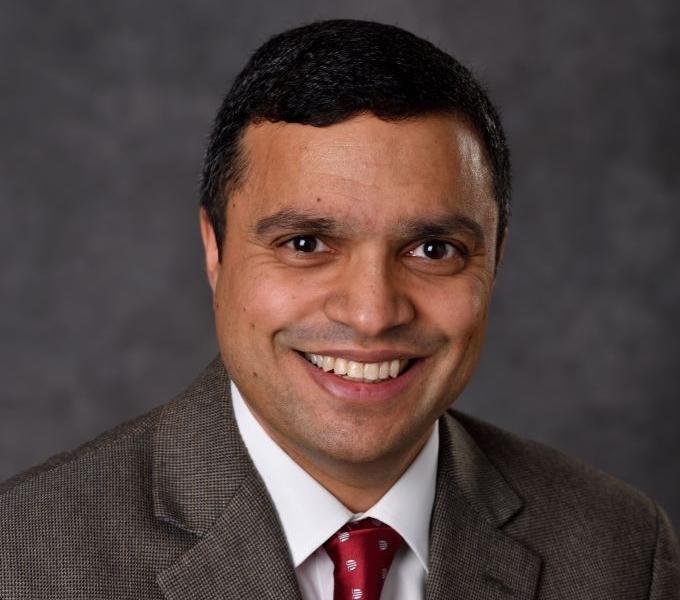
My research interests within the Cardiovascular Heath Tech Laboratory are in cardiovascular monitoring including novel sensors and algorithms and incorporating physiology.

We have been investigating and comparing signal transduction, rate of cell proliferation, and cell communication in normal and cancerous tissues.
*Currently accepting Graduate Students