
Faculty

The Bakkenist Lab identifies phosphorylations, dephosphorylations, and acetylations that regulate ATM activity in vivo.
*Currently accepting Graduate Students

Alison Barth studies plasticity in neurons. Her work focuses on understanding how experience transforms the properties of neurons to encode memory. Barth developed and patented the first tool to locate and characterize neurons activated by experience in a living animal, a transgenic mouse called the "fosGFP" mouse. These mice, which have been licensed to every major pharmaceutical company in the United States and distributed to more than 80 researchers worldwide, have facilitated studies into a wide range of neurological diseases as well as the study of learning and memory. Barth also conducts research on epilepsy. The Barth lab has identified a novel anticonvulsant target, an ion channel called the BK channel, whose activity is increased in response to a seizure. Barth has received the Society for Neuroscience’s Research Award for Innovation in Neuroscience and Career Development Award.
The SMILE lab researches neurophysiology of sensory-motor coordination, brain-machine interfaces.
*Currently accepting Graduate Students

Research focused on the interface between clinical informatics and bioinformatics with a particular focus on translational research resources, particularly tissue banking informatics.
*Currently accepting Graduate Students

Our laboratory studies the molecular mechanisms regulating genetic and acquired cardiomyopathies to identify novel methods to prevent heart failure and sudden death.
*Currently accepting Graduate Students

The Behrmann lab uses an interdisciplinary approach to explore how the signals from the eye are transformed into meaningful percepts by the brain
*Currently accepting Graduate Students
The Benam Lab applies a multidisciplinary strategy to design and develop biologically and clinically inspired technologies that enable us to elucidate cellular and molecular mechanisms that govern tissue pathology or offer protection during lung and immune injury.
*Currently accepting Graduate Students

The mechanisms of cross-priming of antigens during immune responses to cancer, viruses and autoimmunity
*Currently accepting Graduate Students

Mehret Birru Talabi, MD, PhD, is Assistant Professor of Rheumatology and Clinical Immunology. The Birru Talabi Research Lab is focused on optimizing reproductive health management and health care for people with rheumatic diseases and other chronic medical conditions that increase the risk of adverse pregnancy and perinatal outcomes.
*Currently accepting Graduate Students

Demand adapted hematopoiesis in infection and inflammation.
*Currently accepting Graduate Students
Dr. Borrero is a health services researcher with advanced clinical training in women’s health whose work and research at CONVERGE Lab strives to advance reproductive health equity.
*Currently accepting Graduate Students

Dr. Bridges focuses on how bacteria make developmental decisions based on extracellular sensory information. The Bridges laboratory studies the developmental program involved in the formation and disassembly of multicellular bacterial communities called biofilms. Previously, Dr. Bridges pioneered the use of new imaging approaches to investigate the full biofilm lifecycle in the global pathogen, Vibrio cholerae, from initial cell attachment to biofilm growth, to biofilm disassembly. These discoveries are relevant to infection and could inform the development of approaches to manipulate bacterial behavior, potentially leading to new strategies for controlling disease.
*Currently accepting Graduate Students
Miguel Brieno-Enriquez's research interests include human meiosis analysis, endocrine disruptor effects on meiotic prophase I, transgenerational epigenetics, NEK1 kinase regulation of cohesin removal, and ovarian reserve protection in mammals.
*Currently accepting Graduate Students

Protein “quality control”, diseases associated with misfolded proteins, and drug treatments for these diseases
*Currently accepting Graduate Students

Dr. Brooks research has focused on the design, conduct, and analysis of multicenter clinical trials and cohort studies. Most of her work has involved the evaluation of treatments and risk factors in patients with coronary artery disease, diabetes and blood disorders and the epidemiology of cardiovascular diseases and women’s health. Dr. Brooks is the Principal Investigator of the Coordinating Center of the Study of Women's Health Across the Nation (SWAN), a longitudinal cohort study designed to characterize the physiological and psychosocial changes that occur during the menopausal transition and evaluate their impact on health outcomes in old age. She is also the Principal Investigator of the Data Coordinating Center for the Myocardial Ischemia and Transfusion (MINT) and the Sickle Cell Disease and Cardiovascular Risk - Red cell Exchange (SCD-CARRE) trials, two randomized controlled trials evaluating the effectiveness of transfusion interventions, and the Data Core for the Prospective Randomized Evaluation of Analgesia for Cardiac and Idiopathic Scoliosis Spine Fusion Elective Surgery in Children (PRECISE).

Dr. Bruno aims to understand B cell infiltration and TLS development within solid tumors to generate effective B-cell focused immunotherapies to augment the current successes of standard of care immunotherapies such as anti-PD1.
*Currently accepting new students
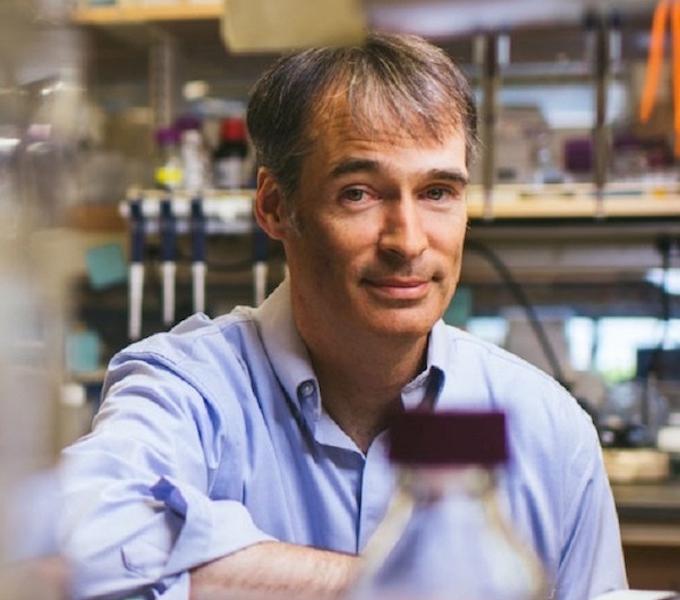
Dr. Buckanovich's research interests include tumor microenvironment, cancer stem cells, and novel therapeutics for cancer
*Currently accepting Graduate Students

The Bunimovich Lab does basic and translational investigations of the mechanisms and therapies of skin disease.
*Currently accepting Graduate Students

The Byrne Lab develops gene therapies for retinal disease. Inherited retinal dystrophies include a diverse group of blinding disorders that have a profound impact on the quality of life of patients. There are currently no effective treatments for most forms of inherited retinal degeneration. However, gene therapy, in which a healthy copy of a mutated gene or a therapeutic protein is delivered to cells in the retina, is a highly promising approach to treating retinal disease. The Byrne lab uses bioengineering approaches, and high throughput, computationally guided methods, to create new gene therapies for retinal disease, including gene augmentation, genome editing and optogenetic strategies.