
Faculty
We develop materials-based, engineering strategies to control the self-organization and assembly of various cell types into tissues using nanoscale fabrication and 3D bioprinting. Understanding of higher-order function in biological systems.
The Area 41 Lab studies neural mechanisms underlying complex sound perception in health and disease.
*Currently accepting Graduate Students
We use interdisciplinary approaches to understand how the nervous system regulates homeostasis and disease, including pain syndromes, cancer, and immune responses.
*Currently accepting Graduate Students

Neurobiology of head and neck cancer and orofacial pain
The goal of The Scheff Lab is to understand plasticity in peripheral neurons associated with cancer and to investigate whether therapy targeted to neurons in the cancer microenvironment can alleviate pain and slow tumorigenesis. The lab executes translational research through collection of patient-reported outcomes and clinical specimens as well as implementation of molecular, electrophysiological and behavioral studies in preclinical mouse models.

The Schopfer laboratory studies the formation and signaling of bioactive lipids under physiological and pathological conditions and develop therapeutic approaches based on our findings.
*Currently accepting graduate students

The Schwartz Lab works in the general area of computational biology, with emphasis on computational genetics and the modeling and simulation of biological systems
*Currently accepting Graduate Students

The Schwartz lab investigates mechanisms of immune dysregulation, with a focus on genetic and epigenetic regulation of immune cells and cytokines. Our group seeks to improve the basic understanding of human immune dysregulation diseases using “pathway to phenotype” approaches that are rooted in understanding the molecular drivers of immune activation. In contrast to phenotype-based approaches, that characterize diseases based on clinical presentation and then explore molecular mechanisms, we take a “phenotype-agnostic” approach that seeks to start with a molecular immunologic phenotype and understand the resulting disease spectrum in subjects with dysregulation of specific pathways.
*Currently accepting graduate students
The Seal Lab's work is focused on neural circuits that mediate two neurological conditions: pain and Parkinson’s disease. We are also developing novel therapies to treat these conditions.
*Currently accepting Graduate Students

The Shiwarski Tissue Engineering Laboratory is interested in how human disease alters the structure and function of the vascular system across a range of organs and tissue types. By integrating advanced 3D bioprinting, cell biology, regenerative medicine, and microfluidics we develop novel experimental platforms to investigate relationships between engineered 3D tissue structure, extracellular matrix composition, biomechanical forces, and altered receptor signaling that drives tissue maturation and disease pathology.
The Shlomchik Lab is interested in the establishment of long term B cell immunity and in pathogenesis of systemic autoimmune diseases and graft vs host disease
*Currently accepting Graduate Students
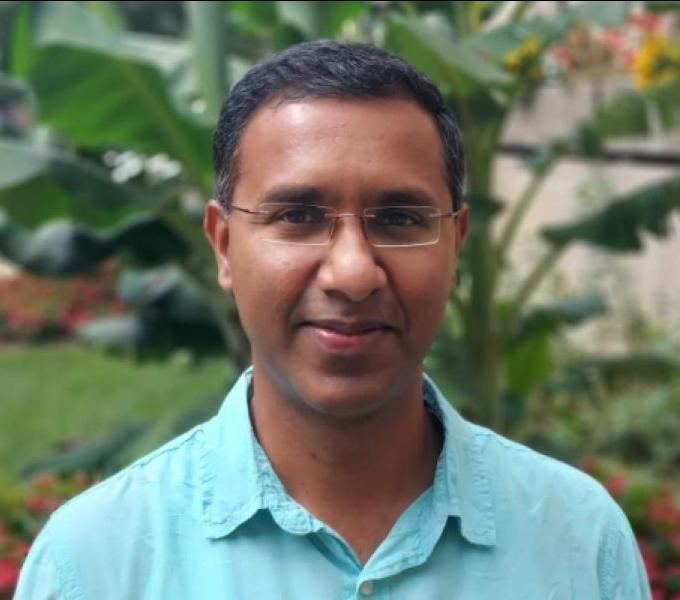
The Shushruth Lab's main interest is in understanding how abstract properties of sensory information (say, the color of an object or its direction of motion) are stored and used to guide actions.
We are interested in abstraction for two reasons:
- Abstraction is an essential substrate of thought, language and most higher order cognitive functions. It endows near infinite flexibility to our actions, allowing us to construct and follow instructions like "Press the red button if you saw something moving to the right". We investigate how such complex computations transpire in the neural networks of the brain.
- Abstraction is affected in psychiatric and neurological disorders of higher order cognition. By understanding the computations underlying abstraction, we hope to gain insights into their pathologies. We are particularly interested in thought disorders (e.g., Schizophrenia) and early dementia (e.g., MCI).
To study abstraction, we train animals to decide on abstract properties of ambiguous sensory stimuli. We record neural activity in their brain while they are making such decisions to understand the underlying computations. In parallel, we work with human patients, using the same behavioral tasks as the animals, to characterize deficits in abstract decision-making. Our ultimate goal is to develop animal models of these deficits using causal manipulation techniques (e.g., pharmacology and chemogenetics).

The research in the Silva laboratory centers on virus-host interactions required for chikungunya virus to initiate and complete its replication cycle within cells and establish infection and spread within a host. Using a multidisciplinary approach, we are investigating mechanisms of CHIKV cell entry, replication, egress, and pathogenesis, with the goal of better understanding the viral and host determinants that dictate CHIKV virulence, which will inform strategies for the development of antiviral therapeutics and vaccines.
*Currently accepting graduate students

The Smith Laboratory studies the neurophysiology of visual perception and cognition, computational neuroscience, cortical circuitry, neural population coding
*Currently accepting Graduate Students
Non-receptor protein-tyrosine kinase structure, regulation and signal transduction in cancer, AIDS, and embryonic stem cell biology
*Currently accepting Graduate Students

The Ferguson Lab studies biomarker discovery, beneficial effects of mechanical loading, & implementation in targeted exercise therapies for musculoskeletal conditions
*Currently accepting Graduate Students

*Currently accepting graduate students

The Ocular Microbiome and Immunology Laboratory has pioneered research in a historically understudied area of ophthalmology, the ocular microbiome and its effect(s) on ocular disease. Normally a highly contentious topic in ophthalmology, the ocular microbiome does, indeed, tune local immunity to prevent fungal and bacterial infection.
*Currently accepting Graduate Students

The Stauffer Lab focuses on neural circuits that mediate reward processing, affective responses, and volitional behaviors – including learning, deliberating, and decision making.
We use a combination of single-unit recording, optogenetics, computational modeling, and psychophysics to investigate neuronal and neural circuit coding of behaviorally defined reward-related variables. These behaviorally defined variables including value, risk, time, and motivation.

The Steinhauser laboratory is broadly interested in how metabolism is altered by and contributes to disease. Within this context, the lab is focused in three inter-related areas: (1) how systemic metabolic function is modulated by local cellular and molecular derangements in adipose tissue arising during development, aging, or in contexts of energy imbalance. (2) Development of novel stable isotope- based methods to study metabolism. This includes a new quantitative imaging platform called multi- isotope imaging mass spectrometry (MIMS). We have established MIMS as a powerful tool for interrogation of cell turnover and metabolism, in situ, at sub-organelle resolution with studies in model organisms and more recently with first-in-human studies. (3) Defining the molecular and metabolic responses to physiological stressors of relevance to aging biology that drive resiliency.
*Currently accepting graduate students

Mechanisms of white blood cell differentiation & its inhibition in leukemias; Mechanisms of stem cell differentiation & growth control
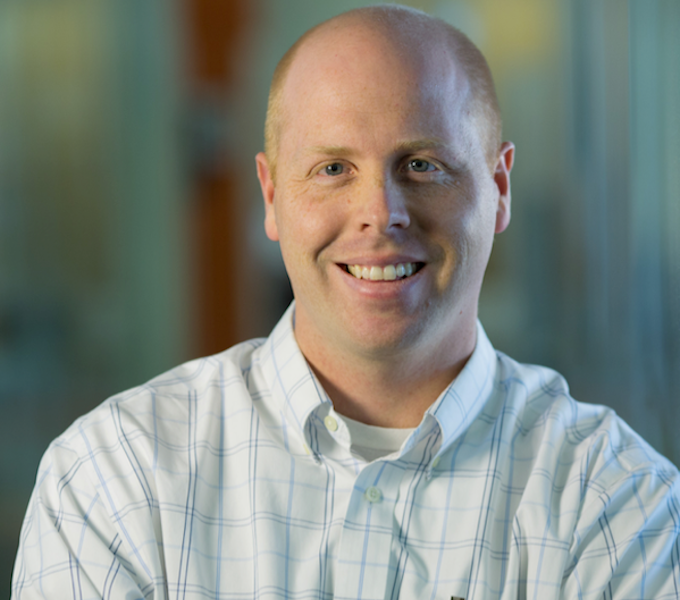
The Straub Lab's studies will be a direct outgrowth of this work, where we will focus on the molecular, cellular, and in vivo contribution of somatic hemoglobins and CytB5Rs as it pertains to vascular physiology and disease.
*Currently accepting Graduate Students
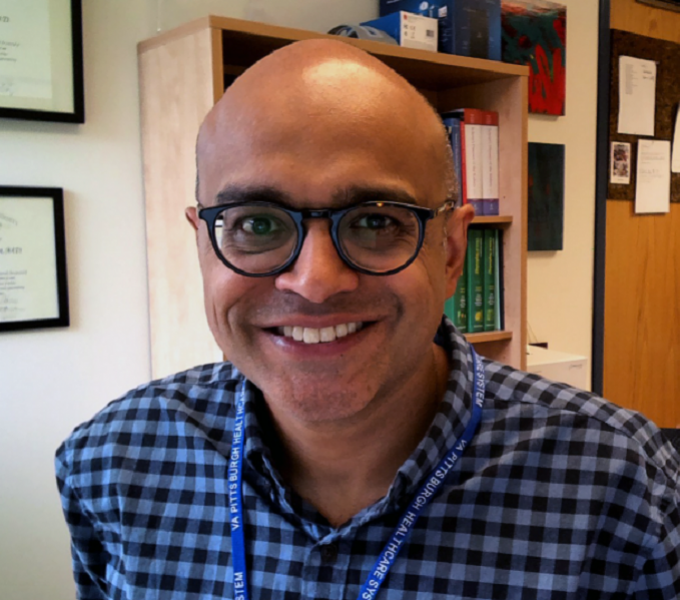
The Subramanya Lab's work is focused on the relationship between biomolecular condensates, cytoplasmic crowding, cell fluid volume and size control, and kidney tubule function in health and disease
*Currently accepting Graduate Students

The Sun lab is interested in understanding the role of ion transporter proteins (Na+-K+ -Cl- cotransporter, Na+/H+ exchanger, and Na+/Ca2+ exchangers) in ionic dysregulation and neurodegeneration associated with stroke, traumatic brain injury, or glioma tumor. In particular, we study how changes of cytosolic ionic concentrations (Na+, H+, Ca2+) as well as organelle Ca2+ (ER and mitochondria) cause cell death and proinflammatory responses in ischemic or traumatic brain damage. We are also interested in studying Glioblastoma multiforme (GBM) brain tumor. We investigate how the Cl- cotransporter functions in regulation of intracellular Cl- and cell volume in GBM cancer cell survival and migration.
*Currently accepting graduate students

Dr. Swanson's research focuses on developing, improving, and increasing the transparency of methods for causal inference in epidemiologic studies. To learn what works to improve public health, Dr. Swanson often uses these methods in settings for which randomized trials are not feasible and for learning how to improve health in populations who have been excluded from randomized trials.
*Currently accepting graduate students
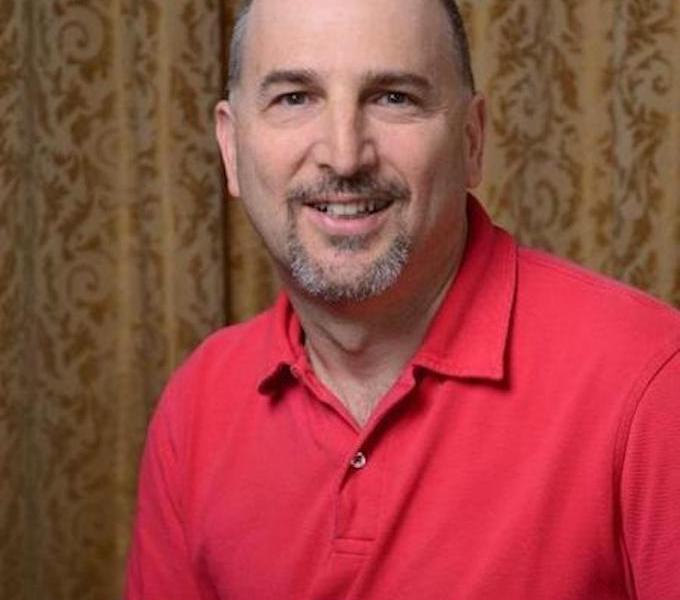
The Sweet Lab studies loss and altered plasticity of auditory cortex synapses in schizophrenia; mediators of vulnerability to psychosis in Alzheimer disease.
*Currently accepting Graduate Students

Psychosocial issues in organ and tissue donation and transplantation.
*Currently accepting Graduate Students