
Faculty

The Wagner Lab does cardiovascular engineering with projects that address medical device biocompatibility and design, tissue engineering, and imaging.
*Currently accepting Graduate Students

Wang’s research focuses on understanding how the immune system behaves within the microenvironment of a tumor in head and neck cancer and B cell lymphoma. She also studies how changes in the DNA of B cells alter how the body produces antibodies that are used to fight pathogens and cancer cells. Her research will shed light on how cancer cells evade detection by the immune system, findings that will help develop new immunotherapies and improve existing treatments.
*Currently accepting Graduate Students
His research is focused on androgen action in prostate cancer and benign prostatic hyperplasia. The Wang lab is actively pursuing following research directions: (a) the roles of androgen-responsive genes in prostate carcinogenesis, particularly the mechanisms of tumor suppression by ELL-associated factor 2 (EAF2), which is encoded by up-regulated androgen-responsive gene U19, (b) improvement of intermittent androgen deprivation therapy of prostate cancer based on differential action of testosterone and dihydrotestosterone (DHT), (c) the mechanisms regulating androgen receptor (AR) intracellular trafficking, level and activity, and (d) developing novel small molecule inhibitors targeting AR signaling for the treatment of prostate cancer that are resistant to current anti-androgens
*Currently accepting Graduate Students
Douglas Weber is broadly interested in understanding the role of sensory feedback in supporting and regulating a wide range of perceptual, motor, cognitive, and autonomic functions. The NeuroMechatronics Lab combines fundamental neuroscience and engineering research to understand physiological mechanisms underlying sensory perception, feedback control of movement, and neuroplasticity in sensorimotor systems. Knowledge gained from these studies is being applied to invent new technologies and therapies for enhancing sensory and motor functions after stroke, spinal cord injury, or limb loss. These principles are also being applied to develop wearable devices for enhancing sensory, motor, and cognitive functions in healthy humans. He is committed to transitioning outputs of his academic research into practical technologies that support real-world applications, and he works actively with industrial partners to bridge the gap from bench to market.
I use machine learning and brain imaging to study the brain representations underlying language comprehension and other high-level functions.

Focuses on asthma phenotypes and the molecular mechanisms, particularly in the airway epithelium that control them
*Currently accepting Graduate Students
The Laboratory for Research on Arm Function and Therapy (RAFT) studies upper extremity motor function in healthy and disease states and particularly focuses on methods to improve recovery of motor function after stroke, using non-invasive brain activity-recording and stimulation techniques, robots, and wearables.
*Currently accepting Graduate Students

Brain development and aging; Neuroimaging
*Currently accepting graduate students

Heart diseases remain the leading cause of death for men, women, and people of most racial and ethnic groups worldwide. The top risk factors for heart disease include familial history (genetic mutations), aging, unhealthy lifestyle (smoking, alcohol addition, high fat diet etc.), obesity, etc. However, the studies of the pathological mechanisms of these risk factors in the human heart was greatly humbled by the lack of standardized research models, as human cardiac cells are limited resources, and genetically modified animals show significant species variations. As a result of our incomplete understanding of pathological mechanisms, the current treatment of heart disease mostly focuses on relieving symptoms, rather than targeting the underlying molecular basis.
Human induced pluripotent stem cells (iPSCs) have provided us an exceptional research platform for the mechanistic studies of cardiac diseases in human originated cardiac cells. The researches at Wu lab take advantage of modern stem cell, physiology, genome-editing, and omics technologies to 1) Dissect the molecular mechanisms of inherited dilated and hypertrophic cardiomyopathies; 2) Understand the molecular mechanism of aging in heart cells; 3) Study how environmental risk factors contribute to the remodeling of cardiomyocyte. The long-term goal of our research is to gain a deep mechanistic understanding of the pathogenesis in diseased cardiac cells, and to develop novel molecular tools and compounds to rectify the regulation during the process.
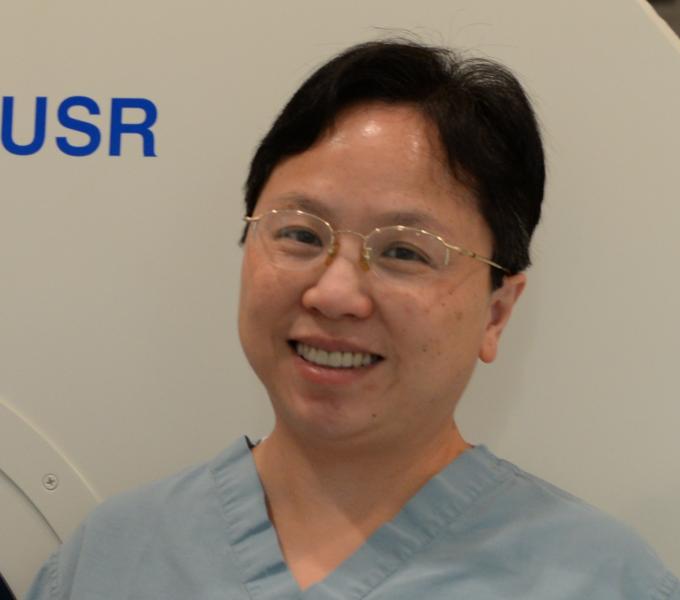
Leveraging novel systems imaging to uncover molecular mechanisms underlying epilepsy, traumatic brain injury, fetal alcohol syndrome, in utero exposure, congenital heart disease, mitochondrial disorders, childhood-onset epileptic encephalopathy and developmental origin of adult-onset diseases.
*Currently accepting Graduate Students