
Faculty

Clifton Callaway, MD, PhD, FACEP, FAHA, is a distinguished professor, executive vice chair of emergency medicine, and Ronald D. Stewart Endowed Chair of emergency medicine research at the University of Pittsburgh. His current research focuses on resuscitation medicine with emphasis on brain injury after cardiac arrest and translational research on the topic of resuscitation from sudden death. He has collaborated with pre-hospital care providers and emergency physicians to study acute cardiac interventions, developed a platform to study intensive care interventions, and worked with rehabilitation partners to study neurological and functional outcomes after cardiac arrest. His work in pre-hospital care has led to international guidelines for acute monitoring and regionalization of care.
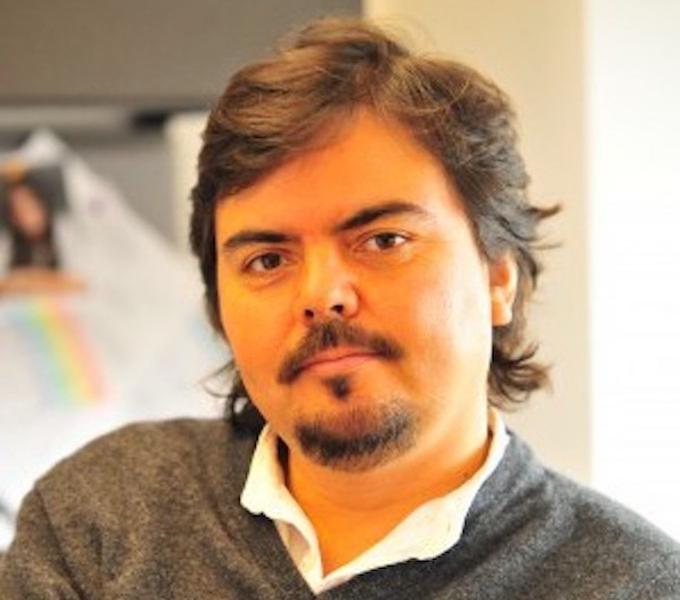
Computational drug discovery; My main research interests focus on modeling the physical interactions responsible for molecular recognition, and in the development of new technologies for structural prediction, their substrates and supramolecular assemblies.
*Currently accepting Graduate Students

Dr. Cantlon uses behavioral and neuroimaging methods to study the origins of quantitative reasoning in human adults, children, and non-human primates. Her research in the Kid Neuro Lab shows the impact of early-developing and evolutionarily primitive nonverbal concepts on human thought. Using behavioral methods, her work observed parallel numerical processing capabilities between human children and non-human primates. Using fMRI, she found that the IPS processes quantitative information in children as young as 4 years of age. Her research implicates a primitive cognitive and neural basis for the development of human mathematical cognition derived from very old, evolutionary processes.

Dr. Carja works to quantitatively understand the evolutionary architecture of intelligent, collective systems, using the tools of dynamical systems, network theory, population genetics, machine learning and statistical inference, and widely available, yet underused, datasets.
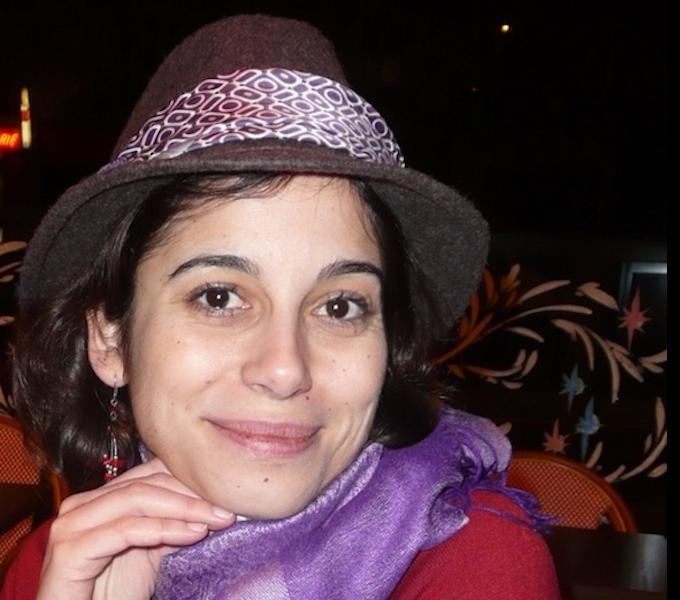
In the Carvunis lab, we study the molecular mechanisms of change and innovation in evolution.
*Currently accepting Graduate Students

The Catov Research Lab utilizes large perinatal registries and cohort studies to evaluate the relationship between cardiovascular risk factors and preterm birth, as well as the postpartum characteristics of women who delivered preterm infants.
*Currently accepting Graduate Students
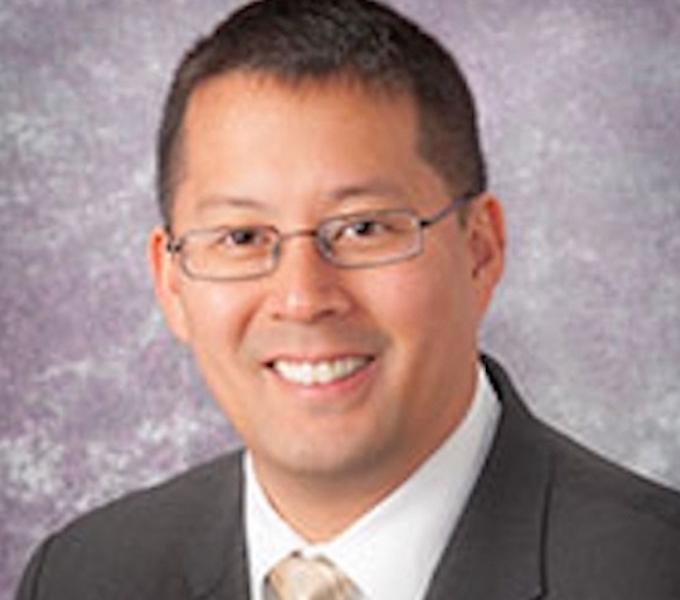
The Chan Lab uses basic science and translational research to study molecular mechanisms of pulmonary vascular disease and pulmonary hypertension.
*Currently accepting Graduate Students
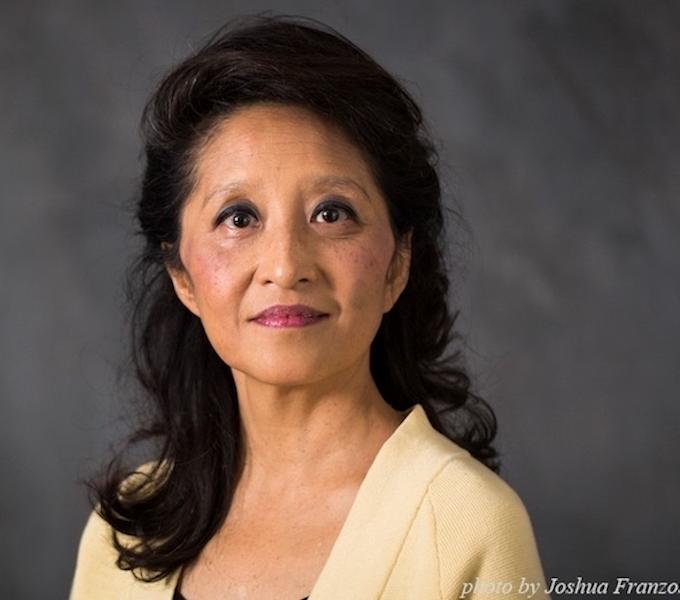
The study of human tumor viruses;
The Chang-Moore Lab researches viral oncogenesis, focusing on Merkel cell polyomavirus in skin cancer, Kaposi’s sarcoma-associated herpesvirus in AIDS-related malignancies, and the discovery of new human pathogens using advanced genomic technologies.
*Currently accepting Graduate Students
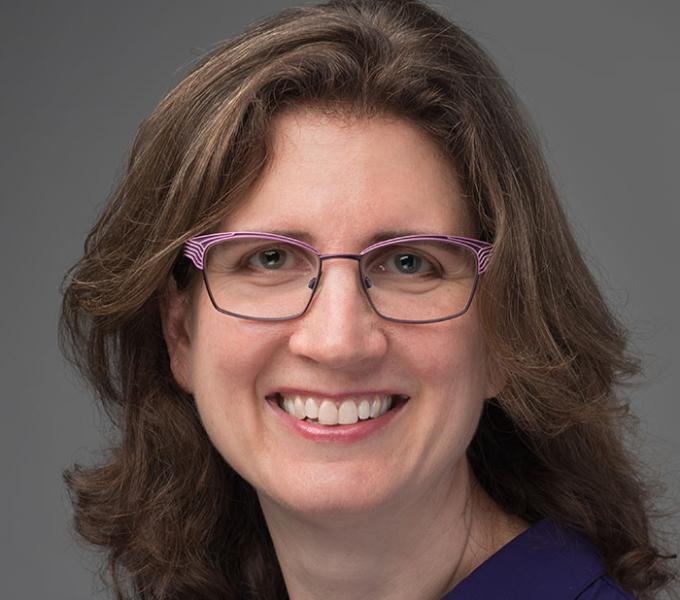
Dr. Chapman's research aims to understand the psychological processes behind decision-making to design interventions that promote healthy and prosocial behaviors like vaccination and blood donation.
*Currently accepting Graduate Students

The Chase Lab uses brain-computer interfaces to study motor learning and skill acquisition. His work stands to provide a better understanding of how movement information is represented in networks of neurons in the brain and will inform the development of neural prosthetics.
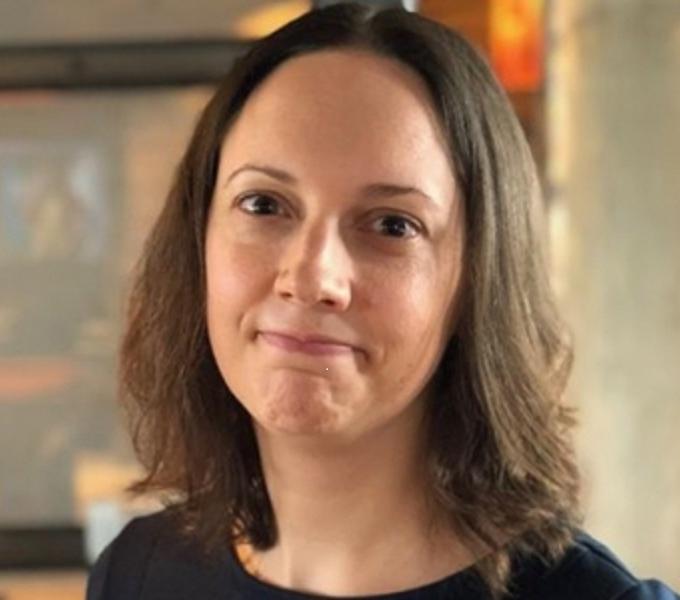
The Cheetham lab wants to understand how neurons wire together to form the intricate yet adaptable neural circuits that support complex brain functions. We are particularly interested in how newborn neurons form synaptic connections, and how this determines whether a neuron will survive. To answer these questions, we use in vivo 2-photon microscopy to track the structure and function of individual neurons and synapses over time in the living brain, as well as molecular genetic tools, electrophysiology, optogenetics, and behavior.
*Currently accepting Graduate Students
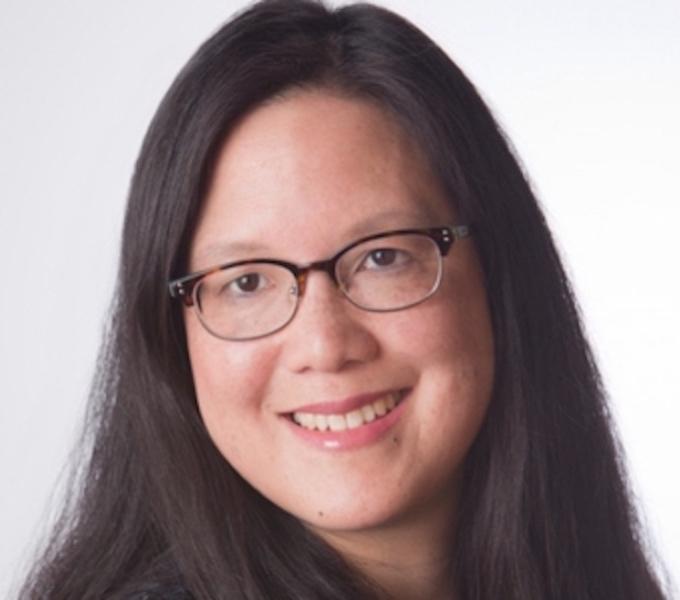
The Chu Laboratory studies redox signaling & autophagy in neuroprotection and neurodegeneration; mitochondrial phosphoproteomics; genetic & toxin models of Parkinson's disease
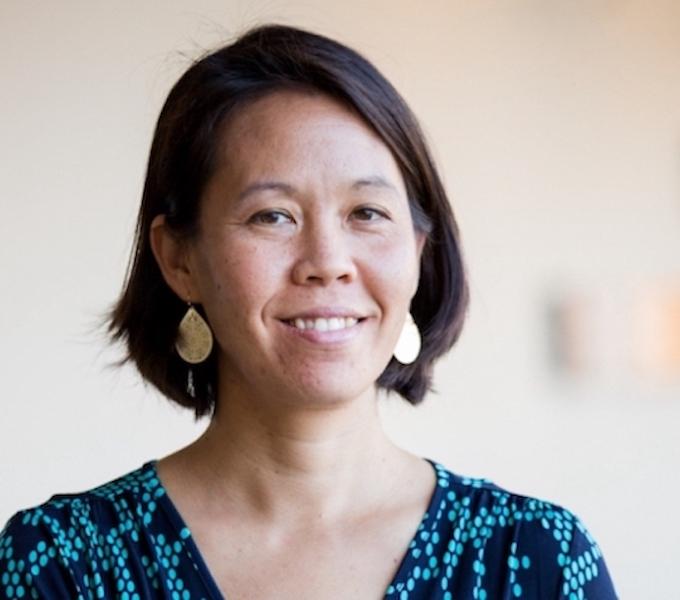
The Coffman Lab focuses on the ovarian cancer microenvironment, specifically targeting carcinoma-associated mesenchymal stem cells (CA-MSC) that support cancer survival, growth, and spread.
*Currently accepting Graduate Students

The Conway Lab aims to characterize the structural and functional repertoire of a virus throughout its lifecycle, which will have benefits in understanding protein-protein and protein-DNA interactions as well as the evolution of protein structure, and in developing new targets for interfering with viral infection and replication, and technological application of the knowledge.
*Currently accepting new graduate students

The Cook Lab researches artificial lungs; hemodynamics, pulmonary drug delivery; liquid ventilation; right ventricular function, critical care medicine
*Currently accepting Graduate Students

The Cooper Lab studies how microbes adaptively evolve when colonizing new hosts; how bacteria form communities within biofilms; and why genome regions replicated at different times evolve at different rates. Research interests include: mechanisms of beneficial mutations, evolution during infections, ecological-evolutionary dynamics, adaptive dynamics within host-associated microbiomes and evolving STEM.
*Currently accepting graduate students
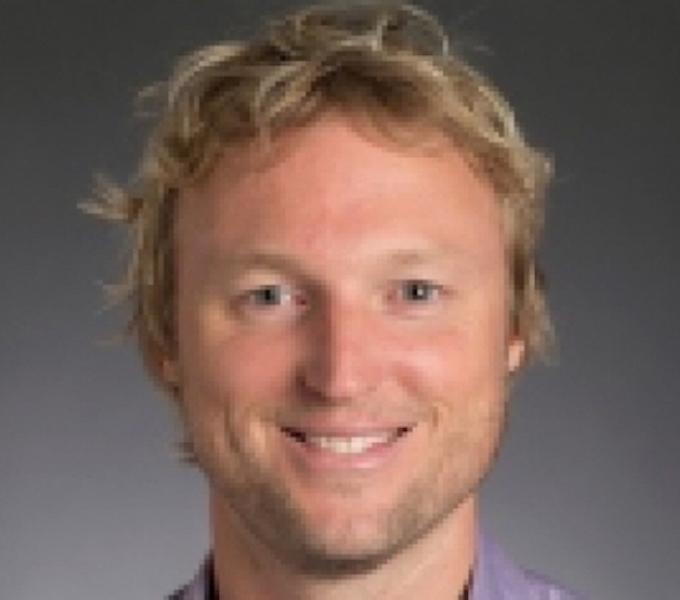
The Creswell Lab studies stress, self-affirmation, mindfulness, and emotions, focusing on their neural mechanisms and impact on resilience and health.
*Currently accepting Graduate Students
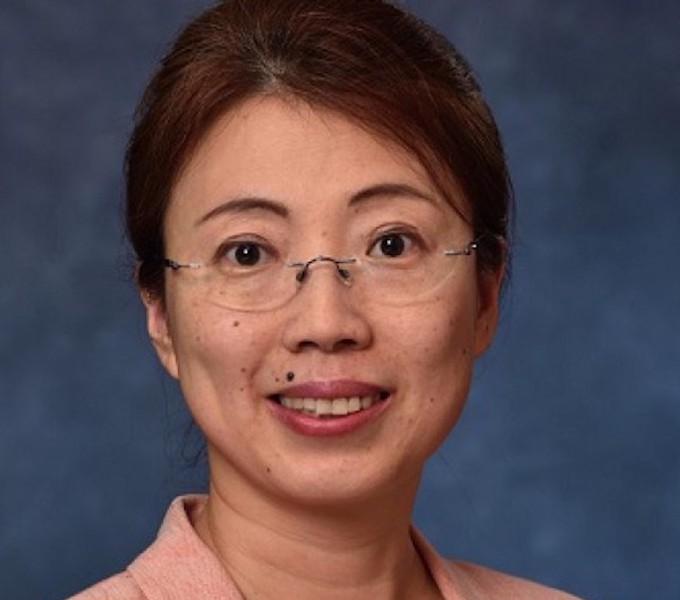
Dr. Tracy Cui is William Kepler Whiteford Professor of Bioengineering at the University of Pittsburgh. Dr. Cui is the Director of the Neural Tissue/Electrode Interface and Neural Tissue Engineering Lab. She is also the Neural Engineering Track Coordinator for the Department of Bioengineering Graduate Committee.
*Currently accepting Graduate Students

Alison Culyba is Director of the Division of Adolescent and Young Adult Medicine at UPMC Children's Hospital of Pittsburgh and Associate Professor of Pediatrics, Public Health, and Clinical and Translational Science at the University of Pittsburgh. Culyba is Director of the Career Education and Enhancement for Health Care Research Diversity Program (CEED) in the Institute for Clinical Research Education. Culyba's NIH, CDC, and SAMHSA funded research examines the role of social networks and environmental contexts in protecting youth from violence and translates findings into community-based interventions.
*Currently accepting graduate students

Dr Culyba's lab is focused on understanding how bacteria adapt to antibiotics and evolve antibiotic resistance. We fuse molecular and biochemical methodologies with experimental microbial evolution to study mutational phenomena and bacterial adaptation. There are two major areas of study in the lab: 1) We use Escherichia coli to study the bacterial SOS response, a pathway containing promutagenic activities that is linked to acquired resistance phenotypes; 2) We utilize clinical isolates of methicillin-resistant Staphylococcus aureus (MRSA) to study the evolution of antibiotic tolerance pathways in vivo. The goal of our work is to understand the molecular mechanisms underpinning this rapid evolution in order to devise interventions to inhibit adaptation to antibiotics.
*Currently accepting graduate students